
Long before athletes had access to high-tech devices, recovery looked simple: a bag of crushed ice, a roll of ace bandage, and the hope that swelling would ease overnight. Trainers relied on instinct, not data. Patients were told to “rest and wait.” And healing, more often than not, took its own slow, uncooperative path.
Today, that landscape is shifting. One device in particular has started to reshape expectations in clinics, rehab centers, and locker rooms — the game ready ice machine. It’s not a flashy piece of equipment trying to look futuristic. Instead, it’s a system built around a simple promise: to help the body recover faster, smarter, and more comfortably.
A Technology Rooted in Precision, Not Guesswork
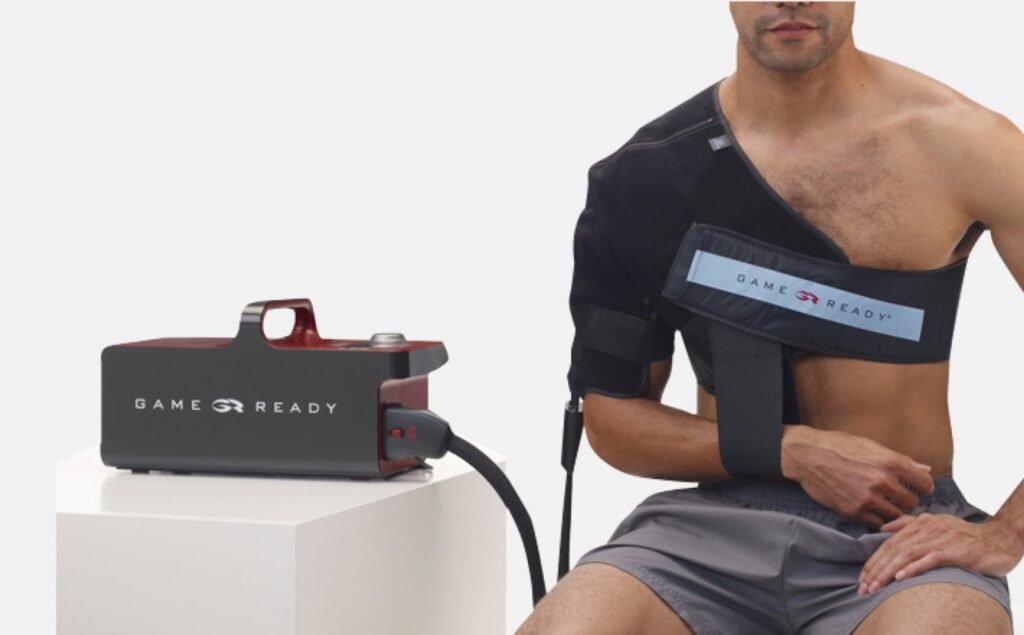
The core of the game ready ice machine lies in two technologies working together. First, there’s the cold therapy — consistent, controlled, and delivered at a temperature that stays stable throughout the session. Not the “melting bag” kind of cold, but calibrated cooling that stays within the exact therapeutic range.
Then, there’s the pneumatic compression. Instead of wrapping an injury with static pressure, the machine applies a rhythmic, adjustable squeeze. The compression mimics the natural pumping motion of muscles, improving circulation and moving swelling away from injured tissues.
On paper, it sounds clinical. In reality, it’s the difference between waking up with painful stiffness… and feeling like your body is actually cooperating for once.
A Shift in How Patients Experience Recovery
Ask any physical therapist who’s used the system regularly, and they’ll tell you the same thing: patients notice the difference almost immediately.
I once heard a recovering ACL patient describe the machine as “the quietest relief I’ve ever felt.” No stinging cold. No achy numbness. Just a gradual calming of inflammation that made the knee feel less foreign, less angry, less bruised from the inside.
This emotional side of recovery — the reassurance that improvement is happening — is often underestimated. When an athlete or a patient feels progress early, they stay motivated. They trust the process. They engage harder in therapy.
In that sense, the game ready ice machine doesn’t just treat injuries. It changes the psychology of healing.
Why Professionals Prefer This Approach
A growing number of surgeons and sports rehabilitation specialists now recommend the system right after major procedures. Not because it’s trendy, but because it aligns with what the science keeps repeating:
-
Reduced edema helps tissues heal faster.
-
Consistent cold limits cellular damage.
-
Dynamic compression improves lymphatic flow.
-
Less pain leads to better mobility earlier.
For professionals who manage large caseloads — athletes after arthroscopy, elderly patients post-joint replacement, weekend runners nursing stress injuries — these benefits add up to something bigger: a smoother, more predictable recovery timeline.
And predictability is immensely valuable. It allows therapists to plan progression with confidence rather than caution.
Real-World Impact: From NFL Locker Rooms to Home Use
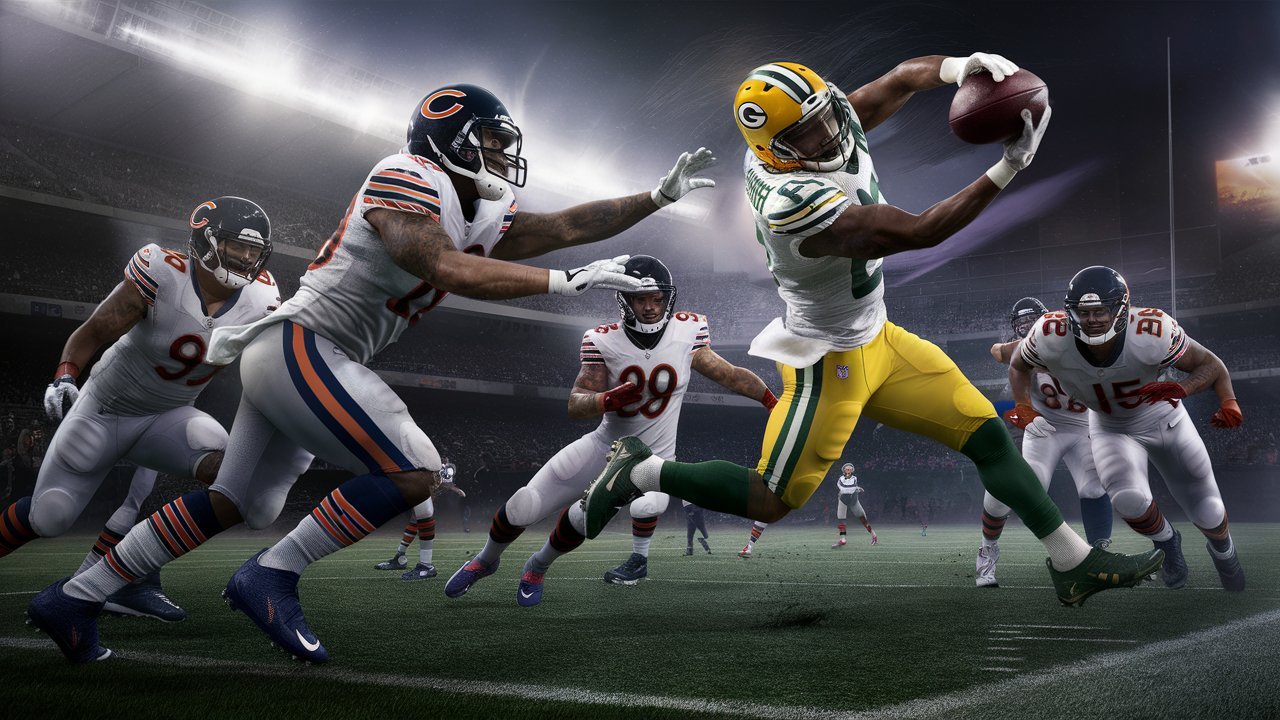
What started in elite sports has drifted into mainstream rehabilitation. Many NFL, NBA, and Olympic trainers adopted the device early because they needed athletes to bounce back fast. But in the last few years, orthopedic clinics have made the machine a standard part of post-surgery protocol.
The surprising part? It’s now becoming just as common in living rooms as it is on sidelines.
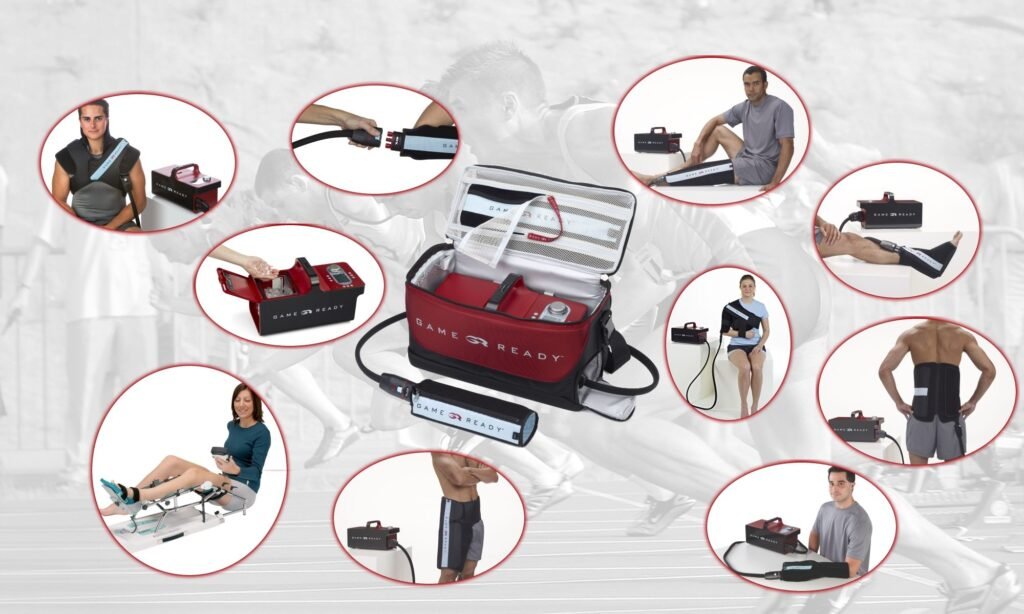
Patients rent the device after knee replacements. College athletes borrow it during ligament sprain recovery. Even people with chronic pain disorders use it during flare-ups to regain a sense of control over their bodies.
This shift — from elite-only tech to everyday recovery support — is part of what makes the machine disruptive. It’s democratizing advanced healing.
A More Humane Approach to Pain Management
Something subtle but important is happening in the medical world: a slow move away from dependency on pain medication. Devices like the game ready ice machine help make that transition possible.
When pain is managed through targeted cold and mechanical compression, the reliance on medication naturally decreases. Patients feel more awake, more present, more capable of engaging in therapy without the side effects of strong pharmaceuticals.
In some ways, the machine represents a future where comfort doesn’t require sedation — just smarter engineering.
Not Just Faster Healing — Better Healing
Speed is only part of the story. The more meaningful shift is in quality. When swelling is controlled early, tissues knit more cleanly. When pain stays manageable, mobility returns sooner. When inflammation drops quickly, scar tissue forms more predictably.
This is the kind of detail athletes notice years later — fewer lingering aches, fewer “bad days,” fewer reminders of old injuries that never resolved gracefully.
The Future of Rehabilitation Is Multi-Layered
What the game ready ice machine signals is a broader evolution: recovery tools are becoming more intelligent, more connected to real physiology, and more centered on patient comfort.
The old days of “ice and hope” are fading. We’re entering a chapter where healing is guided, not guessed. Supported, not tolerated. Designed, not improvised.
And devices like this one aren’t just participating in the shift — they’re pushing it forward.
Final Thoughts
In a world where injuries interrupt dreams, careers, and everyday life, any tool that brings recovery within reach matters deeply. The game ready ice machine has earned its reputation not through hype, but through the quiet, measurable improvements patients feel in their bodies.